
Winter Lawn Care Myths Debunked
As winter approaches, many homeowners become concerned about the state of their lawns. Unfortunately, this time of year is often plagued by misconceptions about lawn care that can lead to poor decisions. In this article, we will debunk some of the most common winter lawn care myths, helping you keep your grass healthy and thriving, even in the colder months.
Myth 1: You Should Stop Lawn Care in Winter
One of the biggest misconceptions is that lawn care should completely halt during winter. While it's true that grass growth slows down, it doesn't stop entirely. Essential care must continue, including proper lawn maintenance practices.
What You Should Do Instead
- Regularly check for weeds and remove them.
- Keep your lawn clear of debris like leaves and branches.
- Consider a winter fertilizer to support root health.
Myth 2: Grass Doesn't Need Water in Winter
Another common myth is that grass doesn't need watering during winter months. While natural precipitation may increase, it often isn't enough to sustain your lawn’s health. Dry spells can still occur, so it's important to monitor soil moisture.
Best Practices for Watering
- Check the soil moisture by digging down a few inches.
- Water your lawn if the soil feels dry to the touch.
- Aim to water early in the day to reduce evaporation loss.
Myth 3: Mowing Is Unnecessary
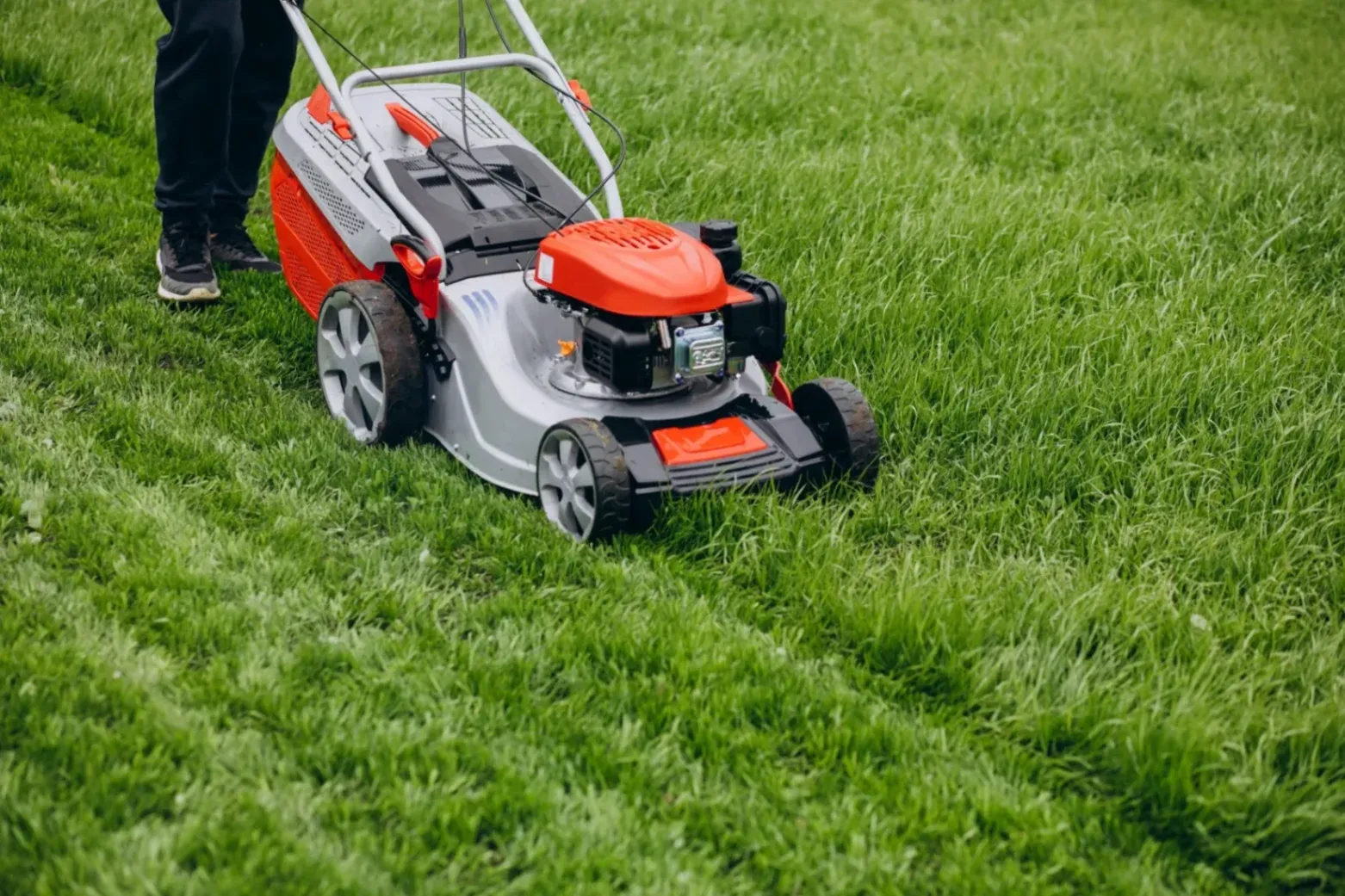
Many believe that once winter arrives, mowing is no longer necessary. However, letting grass grow too long can lead to issues such as disease and pests. Maintaining a proper height is crucial for winter health.
How to Mow in Winter
- Mow less frequently, but keep the grass at a height of about 2-3 inches.
- Ensure your mower blades are sharp to avoid damaging the grass.
- Mow when the grass is dry to minimize stress on the plants.
Myth 4: Fertilizing in Winter Is a Waste
Some homeowners think that fertilizing their lawn in winter will not benefit it. On the contrary, applying the right type of fertilizer can strengthen the roots and prepare the lawn for a robust growth cycle in spring.
Choosing the Right Fertilizer
- Use a slow-release fertilizer that provides nutrients over time.
- Look for fertilizers high in potassium to improve root strength.
- Apply in late winter for the best results as grass begins to awaken.
Myth 5: Over-seeding Is Not Needed
Some may think that over-seeding is only necessary in spring or fall. However, winter over-seeding can help fill in bare patches and ensure a lush lawn once the warmer weather arrives.
Benefits of Winter Over-seeding
- Improves lawn density and resilience.
- Helps establish new grass varieties that can tolerate summer heat.
- Promotes faster recovery when spring arrives.
Conclusion
Understanding the truth behind these winter lawn care myths can dramatically improve the health of your lawn. By continuing to care for your grass during the colder months, you set yourself up for success in the spring. If you need assistance with lawn maintenance or any landscaping services, Lawn Ranger Landscaping LLC is here to help. Visit our website at lawnrangerlandscapingllc.com or contact us today for expert guidance tailored to your lawn care needs.