Irrigation Systems: A Complete Guide
When it comes to maintaining a vibrant and healthy lawn, understanding irrigation systems is essential. Proper water management not only enhances the aesthetic appeal of your landscape but also contributes to the overall health of your plants. In this comprehensive guide, we will explore the different types of irrigation systems, their benefits, and how to choose and maintain the right system for your lawn care needs.
What Are Irrigation Systems?
Irrigation systems are designed to provide controlled water supply to your lawn and garden. They can vary widely in complexity and type, from simple hose-based systems to elaborate automatic sprinkler setups. The primary goal of these systems is to ensure efficient water delivery, reducing waste and promoting healthier plant growth.
Types of Irrigation Systems
- 1. Drip Irrigation: This system delivers water directly to the root zone of plants through a network of tubing and emitters, minimizing evaporation and runoff.
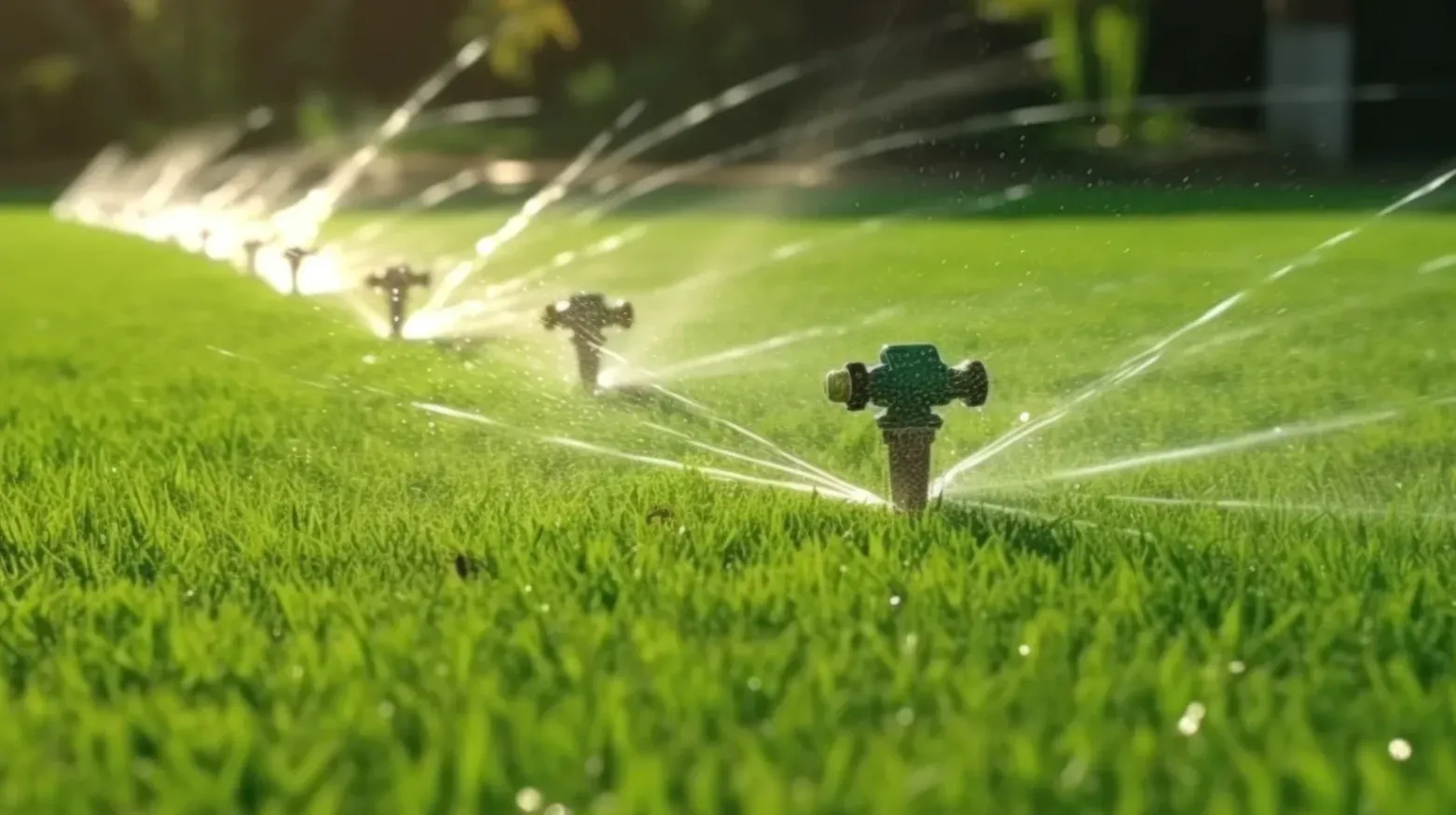
- 2. Sprinkler Systems: These systems can be stationary or rotating, spraying water in a wide area. They are ideal for larger lawns and gardens.
- 3. Soaker Hoses: Made from porous materials, these hoses allow water to seep through, providing a slow and steady supply to the soil.
- 4. Automatic Timers: These devices can be integrated with various irrigation systems, allowing for precise control over watering schedules.
Benefits of Installing an Irrigation System
Investing in an irrigation system offers numerous advantages, including:
- Water Efficiency: Reduced water usage through targeted watering methods.
- Time-Saving: Automatic systems require less manual effort for watering.
- Healthier Plants: Consistent water supply promotes robust plant growth.
- Customization: Different systems can be tailored to meet specific lawn care needs.
Choosing the Right System for Your Lawn
Selecting the appropriate irrigation system depends on several factors, including the size of your lawn, the types of plants you have, and your budget. Here are some key considerations:
- Lawn Size: Larger lawns may benefit from sprinkler systems, while smaller areas might be well-served by drip irrigation.
- Plant Types: Consider the water needs of your plants. For example, vegetable gardens often require different irrigation than ornamental shrubs.
- Soil Type: Sandy soils drain quickly and may need more frequent watering, while clay soils retain moisture longer.
- Budget: Factor in installation and maintenance costs when choosing a system.
Installation and Maintenance
Professional installation is recommended for most irrigation systems to ensure optimal performance. Lawn Ranger Landscaping LLC offers expert irrigation system installation as part of our landscaping services. Once installed, regular maintenance is crucial to ensure longevity and efficiency. Here are some maintenance tips:
- Check for leaks and clogs in hoses and emitters regularly.
- Adjust sprinkler heads to ensure coverage is even across your lawn.
- Winterize your system if you live in areas with freezing temperatures to prevent damage.
- Monitor system performance and make adjustments to schedules based on rainfall and plant needs.
Conclusion
Proper irrigation is a cornerstone of effective lawn care, and understanding the various systems available can help you make informed decisions. With the right irrigation system in place, you can enjoy a lush, green lawn while conserving water and reducing maintenance efforts. If you’re ready to enhance your lawn care routine, contact Lawn Ranger Landscaping LLC for expert advice and professional installation of irrigation systems tailored to your specific needs.