
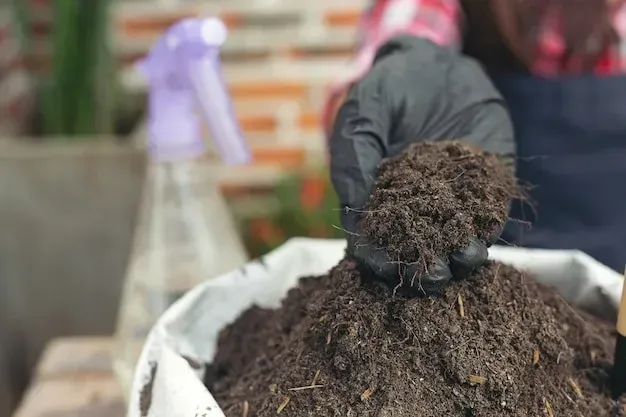
The Importance of Soil Testing
When it comes to maintaining a healthy lawn, the foundation of your greenery lies beneath the surface. Soil testing is a crucial step that often gets overlooked by homeowners and landscapers alike. At Lawn Ranger Landscaping LLC, we believe that understanding the health of your soil is key to achieving a vibrant and resilient yard.
What is Soil Testing?
Soil testing is the process of analyzing the composition and nutrient content of your soil. This involves collecting samples from various areas of your lawn and sending them to a laboratory for analysis. The results will provide you with valuable information about pH levels, nutrient deficiencies, and the overall health of your soil.
Why is Soil Testing Important?
Understanding your soil's composition is essential for several reasons:
- Optimizes Nutrient Application: By knowing the nutrient levels in your soil, you can apply fertilizers more effectively, ensuring your lawn gets exactly what it needs without over-fertilizing.
- Improves Lawn Health: Healthy soil leads to healthy grass. Testing helps you identify any deficiencies that might be affecting the growth of your lawn.
- Prevents Soil Erosion: Understanding soil structure can help you implement measures like retaining walls, which can prevent erosion and keep your landscape intact.
- Enhances Plant Growth: With the right information, you can choose the best plants for your soil type, ensuring they thrive in their environment.
- Saves Time and Money: By targeting specific issues, you can avoid unnecessary treatments and expenses associated with trial and error.
How to Conduct Soil Testing
Conducting soil testing can be a simple process if you follow these steps:
- Choose your testing method: You can either use a DIY soil test kit available at garden centers or send samples to a professional lab.
- Collect soil samples: Take samples from different areas of your lawn, about 4-6 inches deep, and mix them in a clean container.
- Send your samples for analysis: If using a lab, follow their guidelines for submission. If using a kit, follow the instructions provided.
- Review your results: Once you receive your soil analysis, look for key indicators like pH, nitrogen, phosphorus, and potassium levels.
Interpreting Soil Test Results
Once you receive your soil test results, it's important to understand what they mean. Key factors to look for include:
- pH Level: A pH between 6.0 and 7.0 is generally ideal for most grass types. If your soil is too acidic or alkaline, you may need to amend it.
- Nutrient Levels: Check for macronutrients (nitrogen, phosphorus, potassium) and micronutrients. Deficiencies or excesses can be corrected with appropriate fertilizers.
- Organic Matter: A healthy level of organic matter improves soil structure and water retention. Aim for 3-5% organic matter for optimal growth.
Implementing Changes Based on Soil Testing
After interpreting your soil test results, the next step is to implement changes. Here are some strategies to consider:
- Adjust pH: If your soil's pH is outside the ideal range, you can add lime to raise the pH or sulfur to lower it.
- Fertilization: Based on nutrient levels, apply fertilizers or organic amendments to balance deficiencies.
- Improve Drainage: If your soil has poor drainage, consider installing hardscaping solutions like patios or retaining walls to manage water flow more effectively.
- Regular Maintenance: Schedule ongoing soil testing every few years to monitor changes and adapt your lawn care plan as needed.
Conclusion
Soil testing is a vital component of lawn care that can lead to significant improvements in the health and appearance of your yard. By understanding the specifics of your soil, you can make informed decisions that enhance your landscaping efforts and maximize your investment in your property. At Lawn Ranger Landscaping LLC, we are committed to helping you achieve a lush, beautiful lawn through comprehensive lawn maintenance services, including yard clean-up, landscaping, and more. Contact us today to learn how we can assist with your soil testing and overall lawn care needs.